Article
Liposuction and Air Travel: When It’s Safe to Fly
When is it safe to fly after liposuction? Review general short-haul and long-haul timelines, clot risks, compression advice, and practical travel precautions.
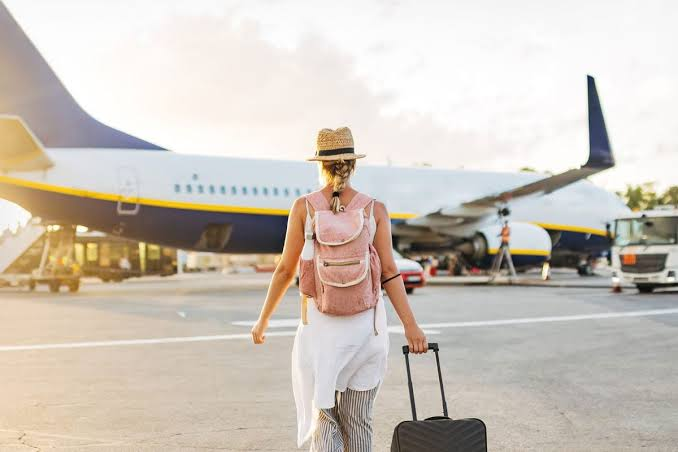
Liposuction recovery in London often raises one important question for patients who live outside the city: when is it safe to fly after surgery? Many people travel to London for cosmetic procedures, either from other parts of the UK or from abroad. While travel can be planned safely, flying too soon after liposuction may increase discomfort and affect recovery.
The right travel timeline depends on the treatment area, the amount of fat removed, your health, and your surgeon's advice. It is always better to plan extra recovery time than to rush back onto a plane too early.
Why Flying Too Soon Can Be Risky
Flying after surgery is not only about comfort. It also affects circulation, swelling, and mobility.
After liposuction, your body needs time to recover from:
- Anaesthesia
- Tissue swelling
- Fluid shifts
- Bruising
- Temporary soreness
- Reduced mobility
Long periods of sitting can slow blood flow in the legs. This may increase the risk of blood clots, especially after surgery. That is why surgeons take flying seriously during Liposuction recovery in London.
How Soon Can You Fly After Liposuction in London?
There is no single rule for every patient. However, many surgeons advise waiting at least several days before short flights and longer before long-haul travel.
As a general guide:
- Short domestic flights may be possible after 5–7 days
- European flights may need 7–10 days
- Long-haul flights often need 2–3 weeks or more
These are only general timelines. Your surgeon may advise a longer wait if you had a larger procedure or multiple areas treated.
Patients having [Liposuction in London](/abdomen-flanks-back-liposuction) should discuss flight plans before surgery, not after.
Short-Haul vs Long-Haul Travel
Short flights are usually easier to manage. They involve less sitting, less dehydration, and a shorter period away from your clinic.
Long-haul flights are different. They may involve:
- Long sitting times
- Higher clot risk
- More swelling
- Limited movement
- Trouble managing garments
- Delayed access to your surgeon
If you are travelling internationally for surgery, build extra days into your plan. This allows time for follow-up checks before leaving London.
At [London Liposuction](/), patients are usually advised to avoid making tight travel plans around surgery.
Why Follow-Up Appointments Matter
Your first follow-up appointment is important. It allows your clinical team to check healing, swelling, garment fit, and early signs of concern.
Flying home before this appointment can make aftercare harder.
Your surgeon may want to check:
- Incision sites
- Swelling levels
- Bruising
- Fluid build-up
- Pain levels
- Compression garment fit
Good aftercare is a key part of Liposuction recovery in London. It helps reduce risk and gives patients more confidence before travelling.
How to Make Flying Safer After Surgery
If your surgeon clears you to fly, take simple steps to reduce risk.
Before and during your flight:
- Wear your compression garment as advised
- Walk around the airport when possible
- Move your ankles and legs during the flight
- Drink water regularly
- Avoid alcohol before and during travel
- Avoid lifting heavy luggage
- Wear loose clothing over your garment
- Keep pain relief nearby
Ask someone to travel with you if possible. Carrying bags, standing in queues, and moving through airports can feel harder than expected after surgery.
Can Swelling Get Worse After Flying?
Yes, swelling can increase after flying. Cabin pressure, sitting still, and dehydration can all make treated areas feel tighter.
This does not always mean something is wrong. Mild swelling after travel is common. However, sudden pain, severe swelling, chest pain, shortness of breath, or calf pain should be treated as urgent.
Patients planning Liposuction in London should understand that swelling can fluctuate for weeks. Flying may briefly make this more noticeable.
Compression Garments and Flying
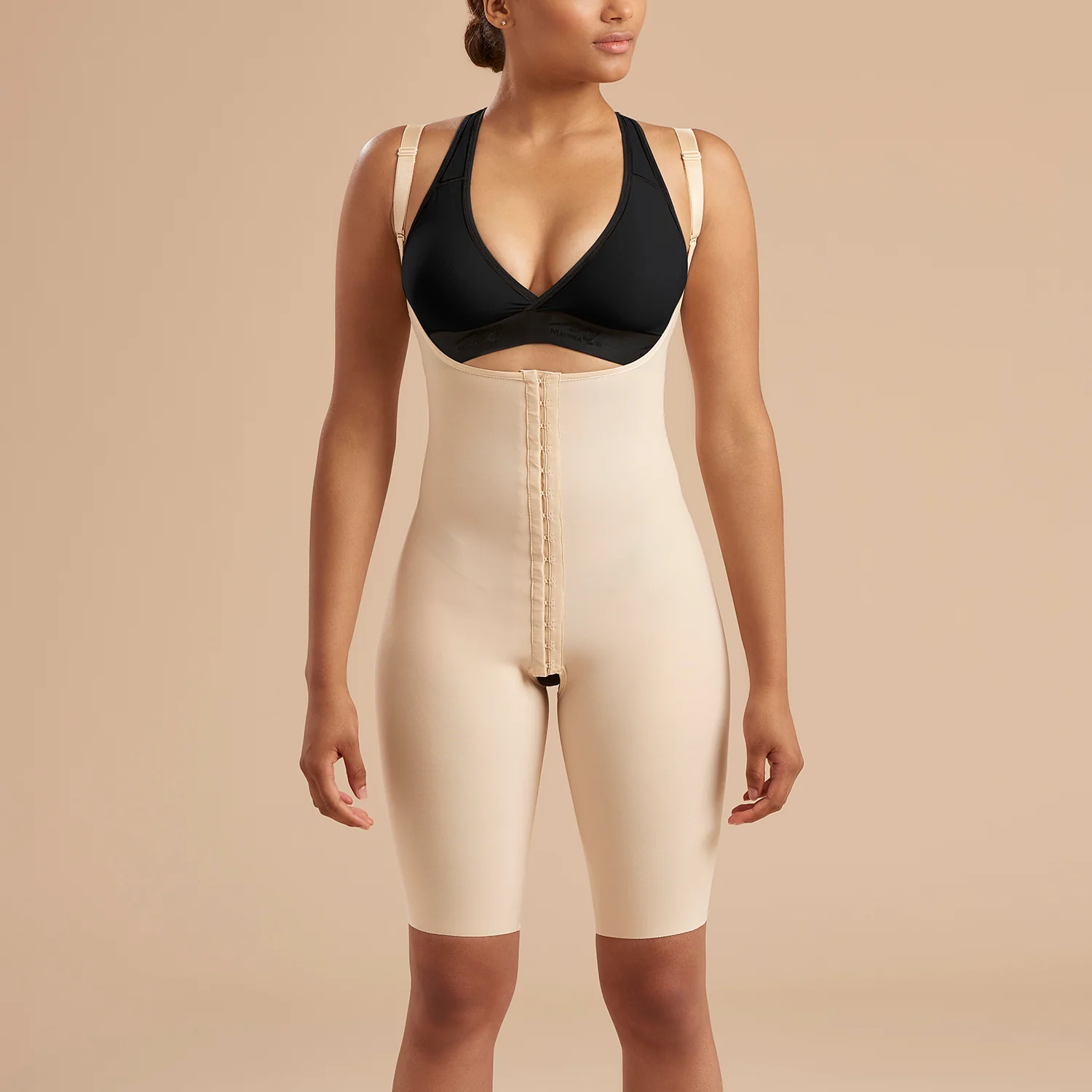
Compression garments are especially important when travelling after liposuction.
They help:
- Support treated areas
- Reduce swelling
- Improve comfort
- Support healing tissues
- Keep contours stable
Do not remove your garment for travel unless your surgeon tells you to. If the garment feels too tight, painful, or causes numbness, contact your clinic before flying.
Your London Liposuction team should explain exactly how to manage garments during your journey.
When Should You Avoid Flying?
You should not fly if you have symptoms that may suggest complications.
Avoid travel and contact your clinic if you notice:
- Increasing pain
- Fever
- Heavy bleeding
- Shortness of breath
- Chest pain
- One-sided leg swelling
- Severe dizziness
- Fluid leakage that worsens
Do not ignore symptoms because you have a booked flight. Health comes first. Tickets can be changed, but complications need quick attention.
Planning Surgery Around Travel
The safest approach is to plan travel around your recovery, not the other way around.
Before booking surgery, ask:
- How long should I stay in London?
- When is my first follow-up?
- When can I fly short-haul?
- When can I fly long-haul?
- Can I travel alone?
- What symptoms should delay my flight?
This is especially important if you are coming from abroad. Liposuction recovery in London should include enough time for rest, follow-up, and early healing before flying.
People Also Ask
Is it safe to fly after liposuction?
Flying after liposuction may be safe once your surgeon confirms you are healing well. The NHS explains that liposuction recovery can involve swelling, bruising, and wearing support garments for several weeks, so travel should be planned carefully.
Read the Full Article (Source: NHS)
Final Thoughts
Flying after liposuction can be safe, but timing matters. Short flights may be possible sooner than long-haul travel, but every patient needs individual advice. The safest plan is to discuss travel before surgery and allow enough time for early healing.
Liposuction in London is often chosen by patients from across the UK and overseas. If you are travelling for treatment, avoid rushing home too quickly. Stay long enough for follow-up care, wear your compression garment correctly, and take precautions during your journey.
A smooth Liposuction recovery in London depends on planning, patience, and clear advice from your surgical team. [Contact the clinic](/contact-us) to discuss your treatment and travel plans.
Frequently asked questions
How long after liposuction can you fly?
+
Why is flying too soon after liposuction risky?
+
Should you wear compression garments on a flight?
+
Can international patients travel home the day after surgery?
+
Related treatments
From the blog
More reading on the treatments in this article
- Stomach Fat Removal – Know more about itAbdomen
- Abdominal Liposuction in London: Achieve a Slim, Sculpted StomachAbdomen
- Abdominal Liposuction and Weight Loss: A Targeted SolutionAbdomen
- Can Back Fat Liposuction London Improve Posture After Weight LossBack
- Liposuction vs Weight Loss Injections: Which Option Is Right for You?
Next step
Book a consultation
Speak with our specialist surgeon about liposuction in London — a private, no-pressure assessment with honest advice on the right approach for you.