Article
What BMI Do You Need for Liposuction in London?
Most surgeons treat patients with a BMI under 30, and some up to 35. Here is how BMI is actually used to assess candidacy for liposuction in London — and what matters more than the number.
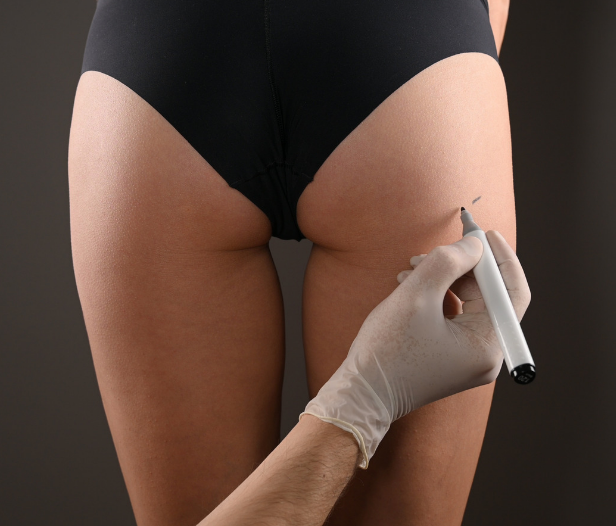
It is the single most common question we are asked before a consultation: am I the right weight for this? BMI is a useful screening tool, not a pass mark. Here is how it is genuinely applied when assessing candidacy for liposuction in London.
The Short Answer
- BMI under 30 — the ideal range. Most patients treated here fall between 22 and 29.
- BMI 30 to 35 — often possible, case by case, sometimes staged across two sessions.
- BMI above 35 — usually deferred. Surgical and anaesthetic risk rises, and results are less predictable.
Liposuction is a contouring procedure for diet-resistant pockets, not a treatment for obesity. That distinction is what the BMI threshold exists to protect.
Why the Limit Exists
Safety. Higher BMI increases the risk of clots, wound problems and anaesthetic complications.
Volume limits. There is a safe ceiling on fat removed per session. In a higher-BMI patient, that volume produces less visible change.
Fat distribution. Liposuction removes subcutaneous fat only. It cannot touch visceral fat around the organs, which is often the dominant component at a higher BMI.
Skin quality. More volume removed means more skin needs to retract. Poor elasticity can leave looseness that only surgical tightening will address.
What Matters More Than the Number
BMI does not distinguish muscle from fat, and it says nothing about where your fat sits. At assessment we care more about:
- Weight stability — ideally within 2 to 3 kg for six months.
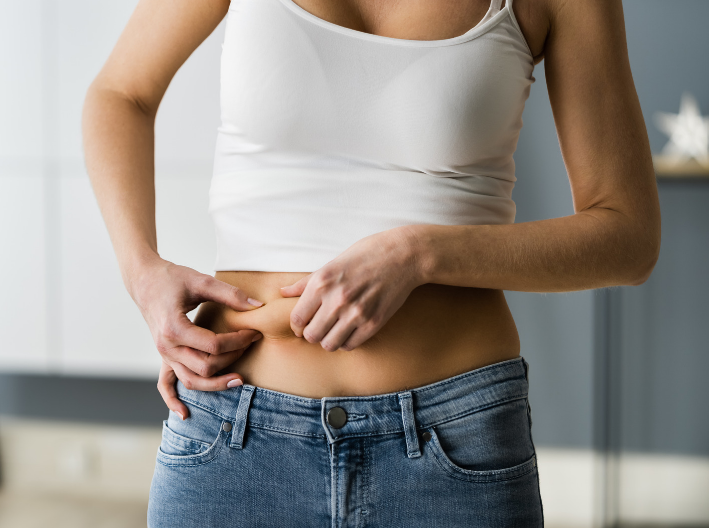
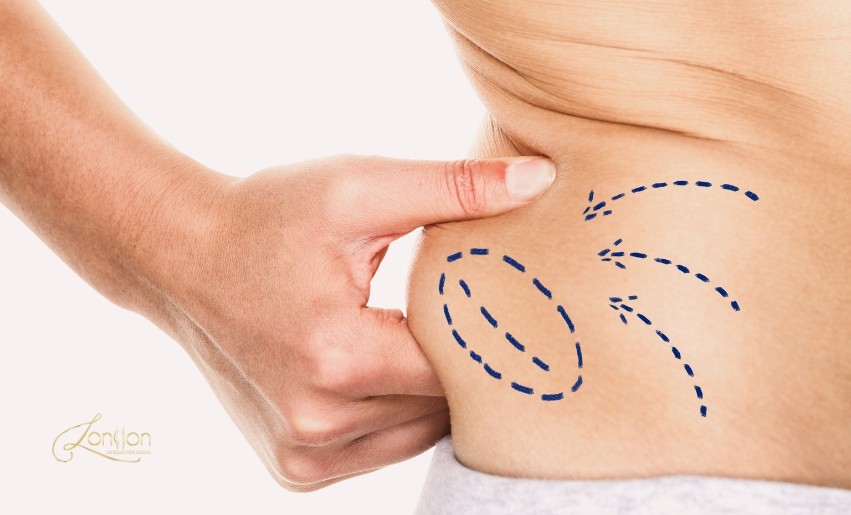
- Where the fat is — pinchable subcutaneous pockets respond; a firm, rounded abdomen usually does not.
- Skin elasticity — how well the skin snaps back when released.
- General health — blood pressure, diabetes control, smoking status.
- Realistic goals — shape change, not a number on the scales.
If Your BMI Is Currently Too High
This is not a refusal, it is a sequence. Losing 5 to 10 percent of your body weight often moves you into range, improves safety and gives a better contour. GLP-1 medication, structured nutrition support and a stable three to six months at your new weight are the usual route. We would rather stage your care than compromise your result.
What Happens at Your Consultation
A liposuction consultation in London includes height, weight and BMI, a pinch test of each area, an assessment of skin tone, medical history and medication review, standardised photographs, and a frank discussion of what is realistically achievable. You will leave knowing whether surgery is appropriate now, later, or not at all.
Find Out Where You Stand
The only reliable way to know is an in-person assessment. Learn more about our approach at London Liposuction Clinic, review the detail on abdomen, flanks and back liposuction, or book a consultation with our surgical team.
Frequently asked questions
What BMI do you need for liposuction in London?
+
Can you have liposuction with a BMI over 30?
+
Is liposuction a weight loss treatment?
+
What else is assessed besides BMI?
+
Related treatments
From the blog
More reading on the treatments in this article
- Is Winter the Best Time for Liposuction in London? Pros and Cons by SeasonAbdomen, Flanks & Back
- Can You Have Liposuction Twice? Everything You Need to Know About Repeat ProceduresAbdomen, Flanks & Back
- Gynecomastia – Pros and Cons for this procedureMale Breasts (Gynecomastia)
- Hips Liposuction in London: 5 Benefits for Curvy ConfidenceHip Liposuction
- Male Breast Reduction in London: Achieve a Confident New LookMale Breasts (Gynecomastia)
Next step
Book a consultation
Speak with our specialist surgeon about liposuction in London — a private, no-pressure assessment with honest advice on the right approach for you.